
Blog
Making Sense of Wild Stock Swings
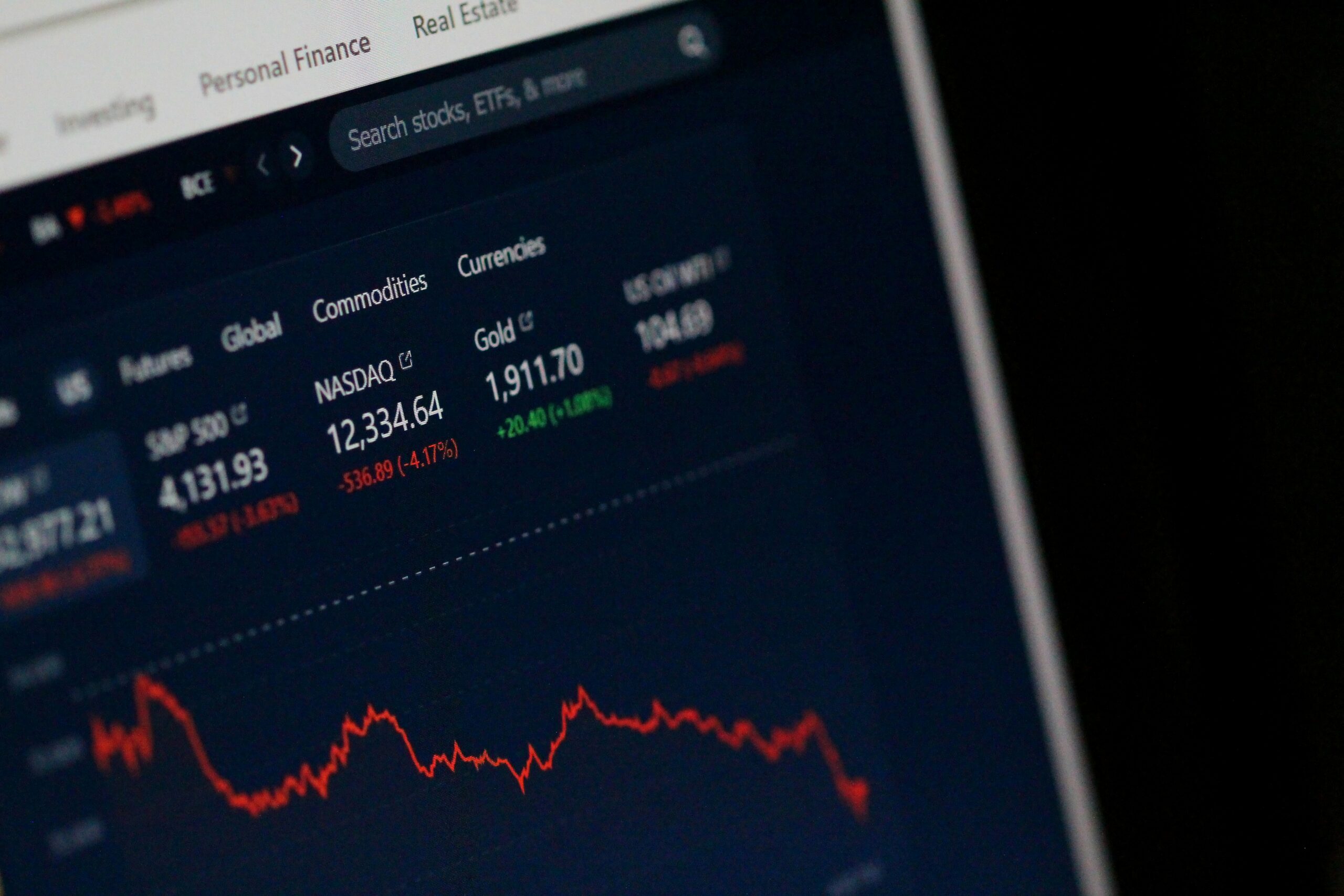
If checking your portfolio lately feels like riding a roller coaster without a seatbelt, you’re not alone. One week, headlines proclaim market highs driven by booming corporate earnings and AI growth; the next, a sudden spike in geopolitical tension or interest rate jitters sends everything tumbling down.
It’s enough to give even seasoned investors financial whiplash. But before you hit the panic button or try to time the market, let’s pull back the curtain on why the market is behaving like this—and why history shows staying the course is your best move.
Why Is the Market So Violent Right Now?
To understand the weekly mood swings, you have to look at what’s driving modern market behavior:
- Algorithms and Headline Shock: A massive share of daily trading is executed by automated algorithms reacting instantly to economic data releases, Fed commentary, or global news. High-frequency trading turns minor news ripples into immediate, exaggerated price waves.
- The Pull Between Macro Fears and Micro Growth: Underneath the choppy surface, core fundamentals—like solid corporate earnings and record capital investment in technology—remain surprisingly robust. However, macro uncertainties like fluctuating energy prices and interest rate policies keep pulling investor sentiment back down.
- Sector Rotations: Often, the broader index isn’t plummeting as a whole; money is rapidly sloshing around from tech and growth stocks into defensive or value sectors, creating intense single-stock volatility.
The Numbers Behind the Noise: Why Staying Invested Matters
It’s natural to want to jump to the sidelines during a drop and wait until the dust settles. But historical market data reveals a dangerous trap: the market’s worst days and best days usually happen right next to each other.
Look at recent market history:
- The 2008 Financial Crisis: On October 15, 2008, the S&P 500 suffered an agonizing 9% crash. Just two trading sessions prior, on October 13, it enjoyed an 11.6% single-day surge.
- The 2020 Pandemic Crash: In mid-March 2020, the market recorded its third-worst single day in modern history (-11.9%). Less than 24 hours later, it posted a 9.3% gain—one of its best days on record.
Trying to “time” these swings is nearly impossible. Missing just a handful of those sudden rebound days can destroy a long-term strategy:
The Cost of Waiting for Calmer Seas:
Historical analyses of the S&P 500 over 30-year periods show that an investor who stayed fully invested saw annual average returns around 10%. However, missing just the 10 best trading days cut that overall return in half. Missing the 30 best days resulted in returns that failed to keep up with inflation.
Because the strongest recovery days almost always occur during periods of peak fear and volatility, panicking out of equities during a bad week usually means selling at the bottom and sitting on cash right when the market stages its biggest recoveries.
3 Ways to Stay Grounded in a Wild Market
When market swings make you want to throw in the towel, try applying these three principles:
- Change Your Zoom Level: Looking at a 1-week or 1-month stock chart induces anxiety because you’re looking at random noise. Zoom out to a 5-year or 10-year chart. Historical perspective turns terrifying drops into minor blips.
- Put Dollar-Cost Averaging (DCA) to Work: Instead of trying to guess when the market has hit bottom, invest fixed amounts at regular intervals (like a monthly 401(k) contribution). When the market drops, your dollars buy more shares on sale. Volatility becomes your friend, not your enemy.
- Align Your Time Horizon: Market volatility is only a threat to liquidity if you need that money tomorrow. Capital you need within the next 1–3 years (for a house down payment or emergency fund) shouldn’t be exposed to daily equity swings. Long-term capital, however, has time on its side.
The Bottom Line
Market swings feel personal and chaotic, but they are a feature of investing, not a bug. Volatility isn’t inherently a risk—it’s simply the price of admission for long-term growth. When the market goes wild next week, remember to step back, look at the historical numbers, and let time do the heavy lifting for your portfolio.